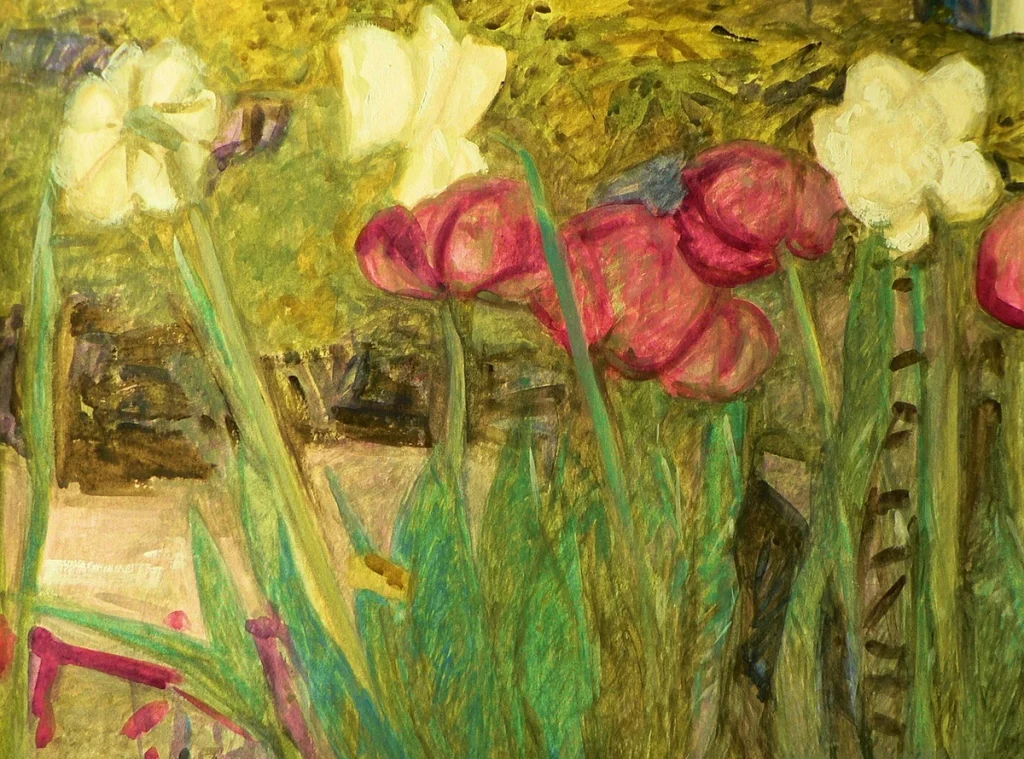
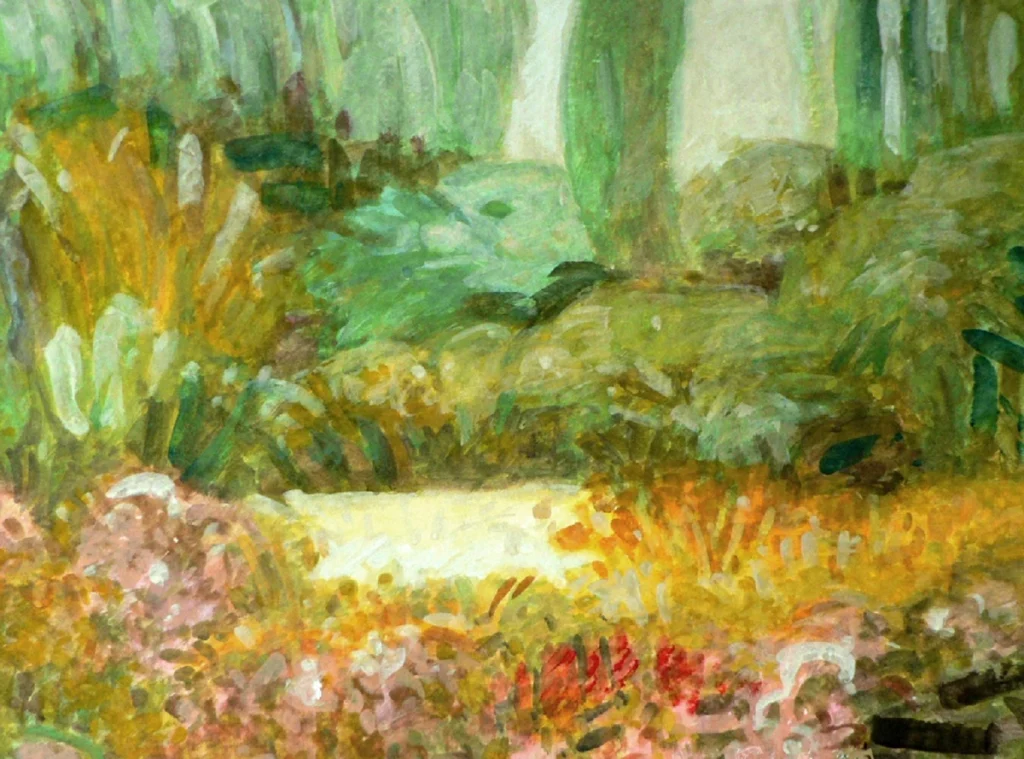
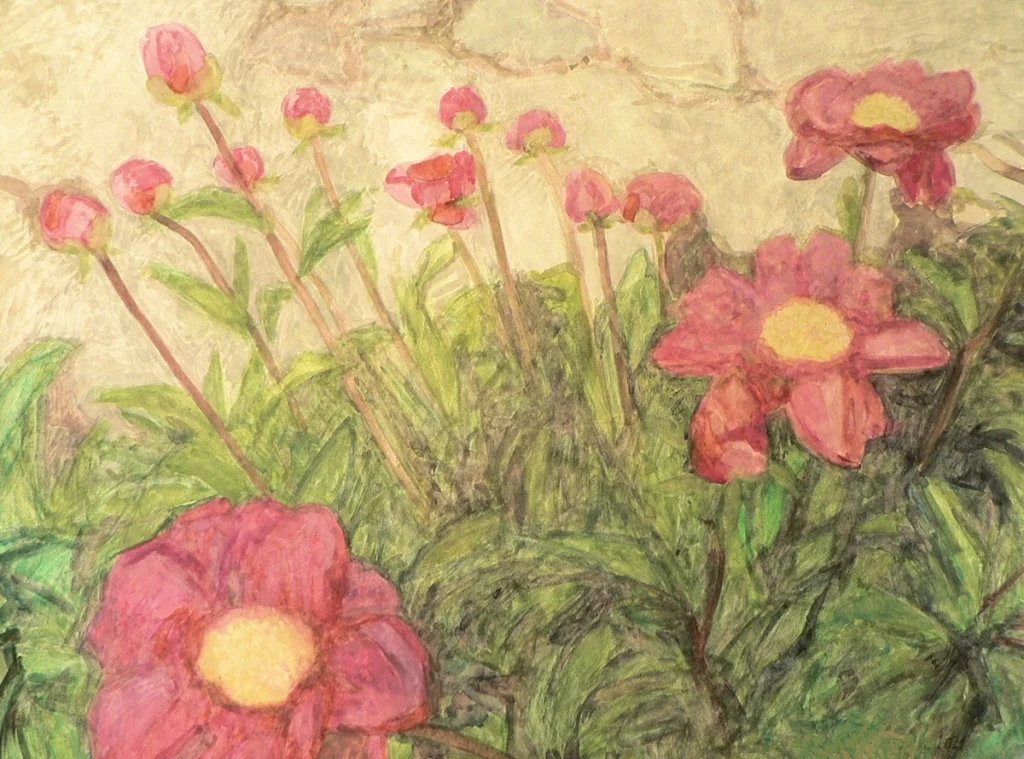
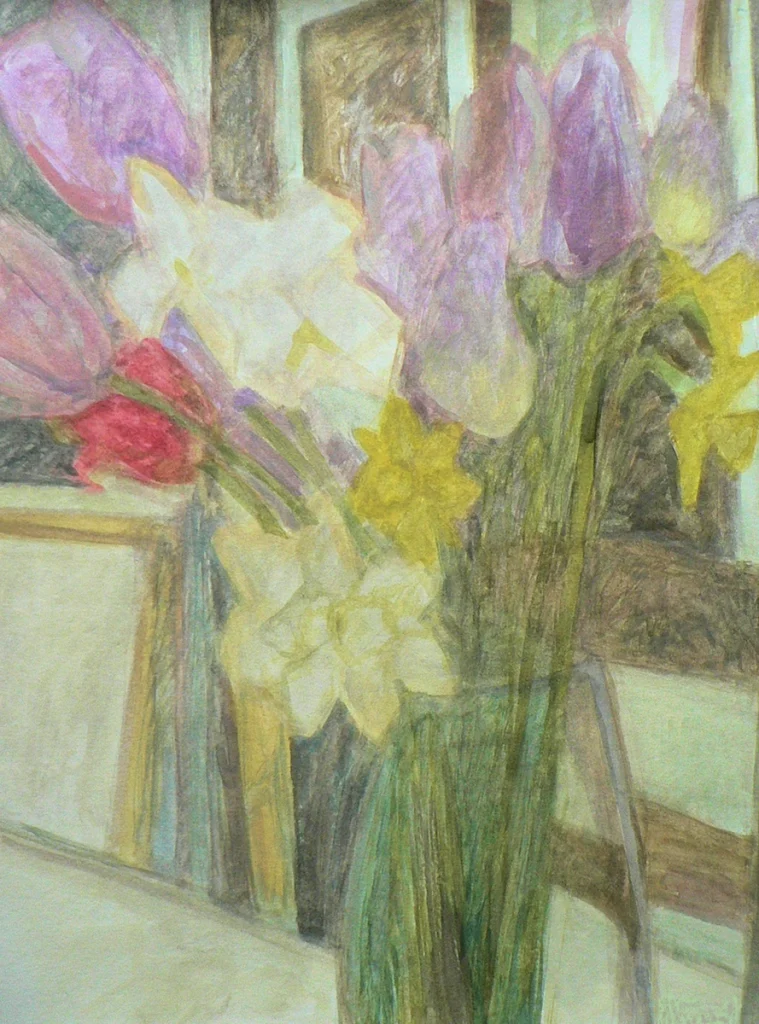
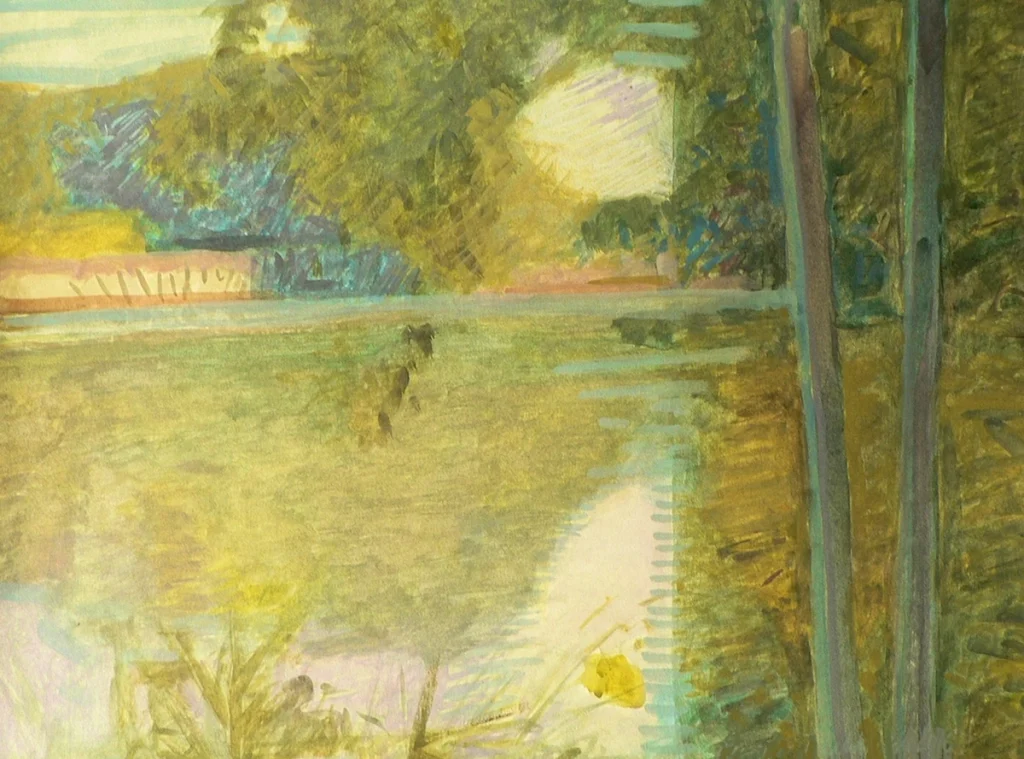
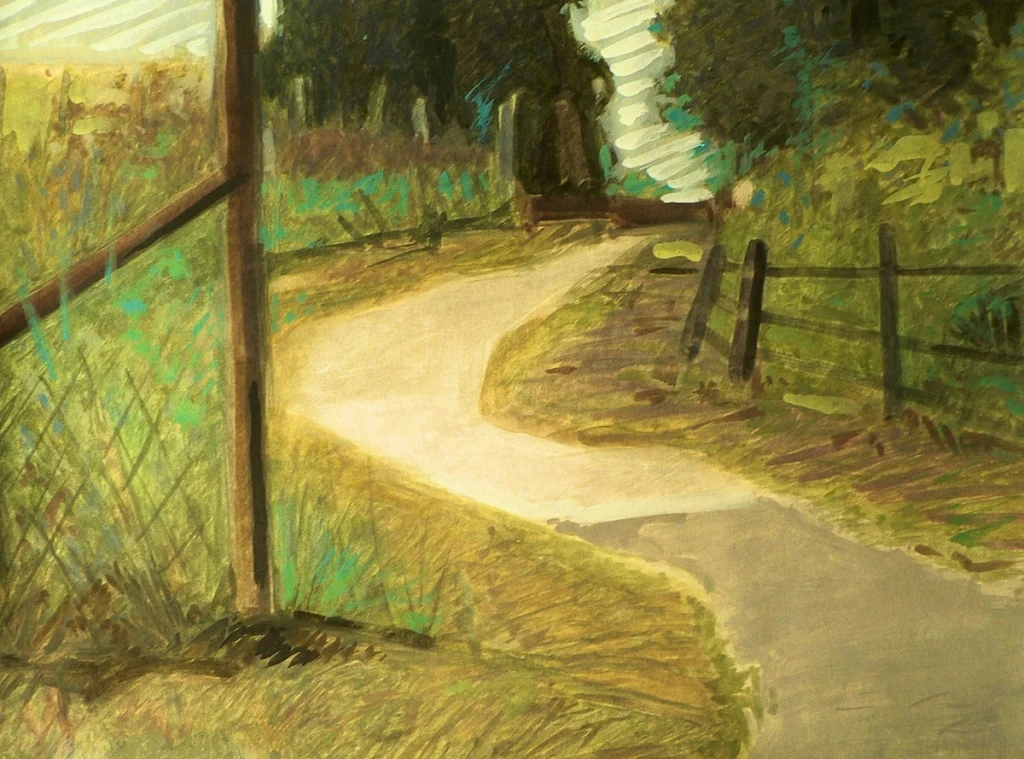
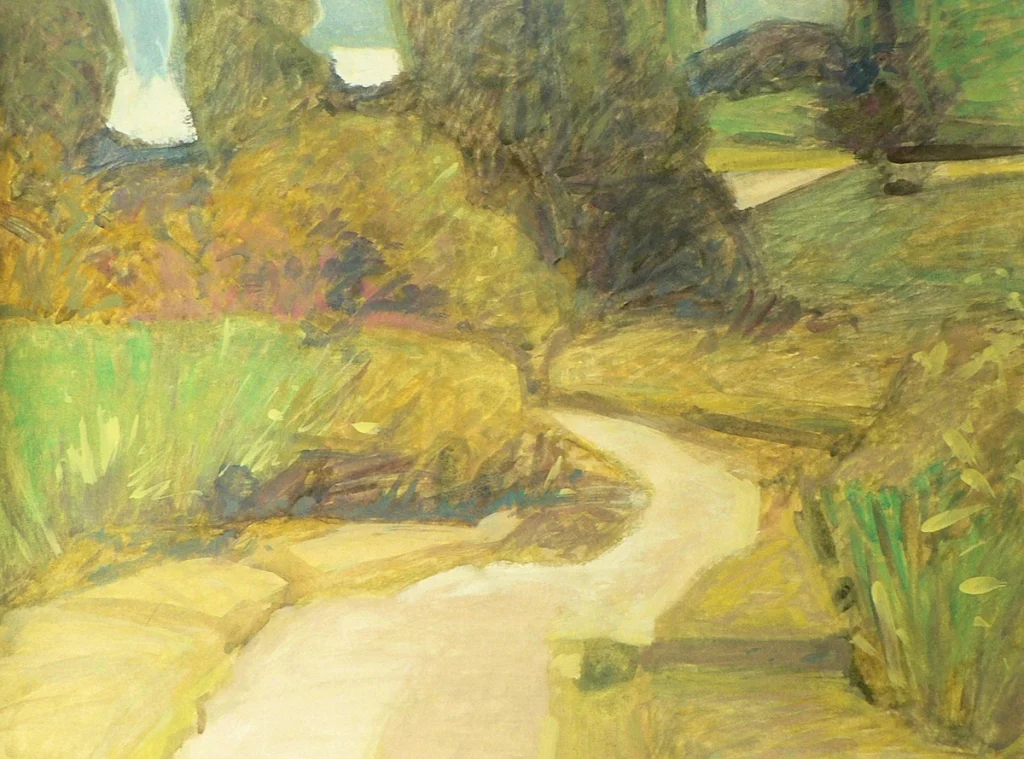
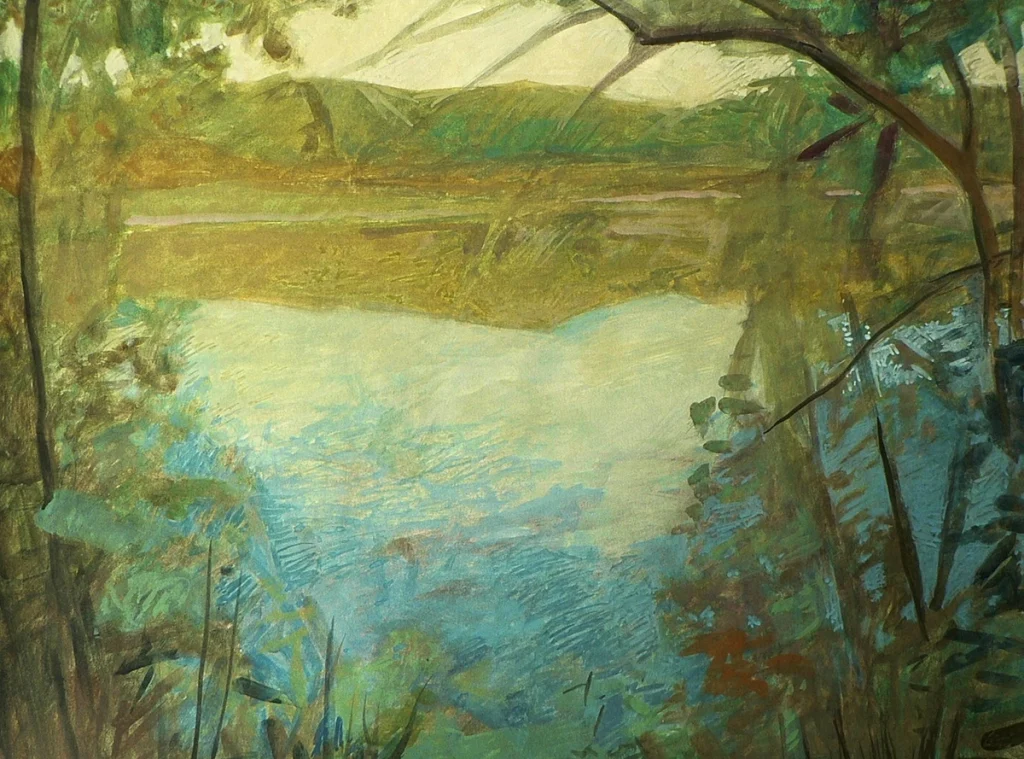
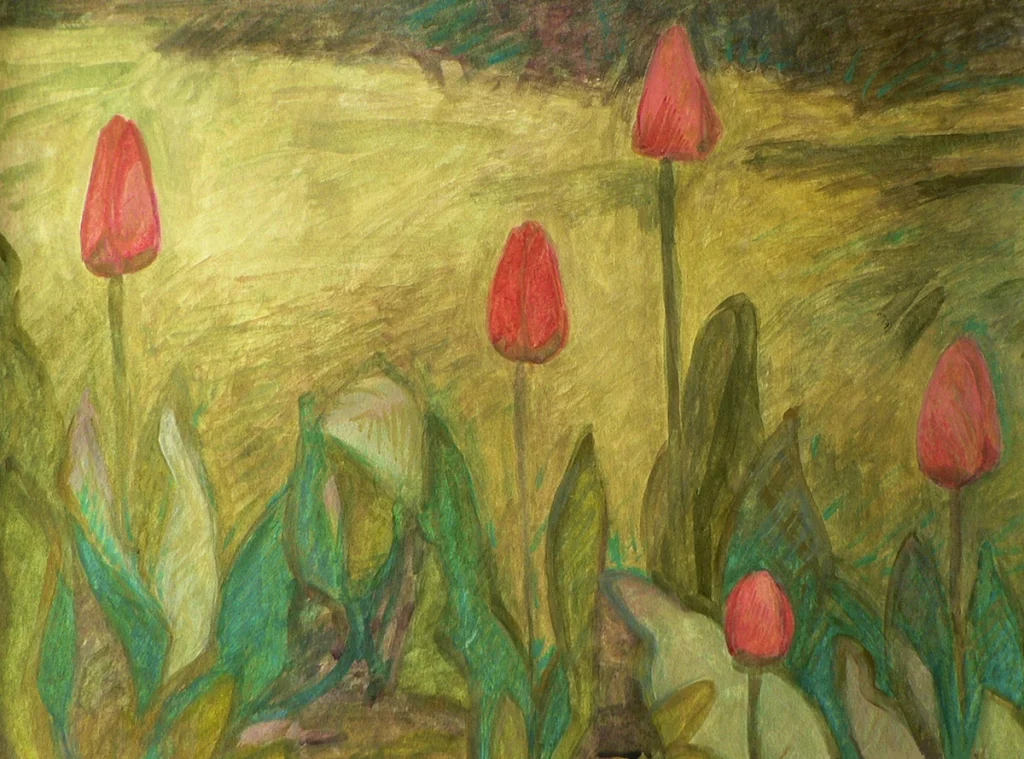
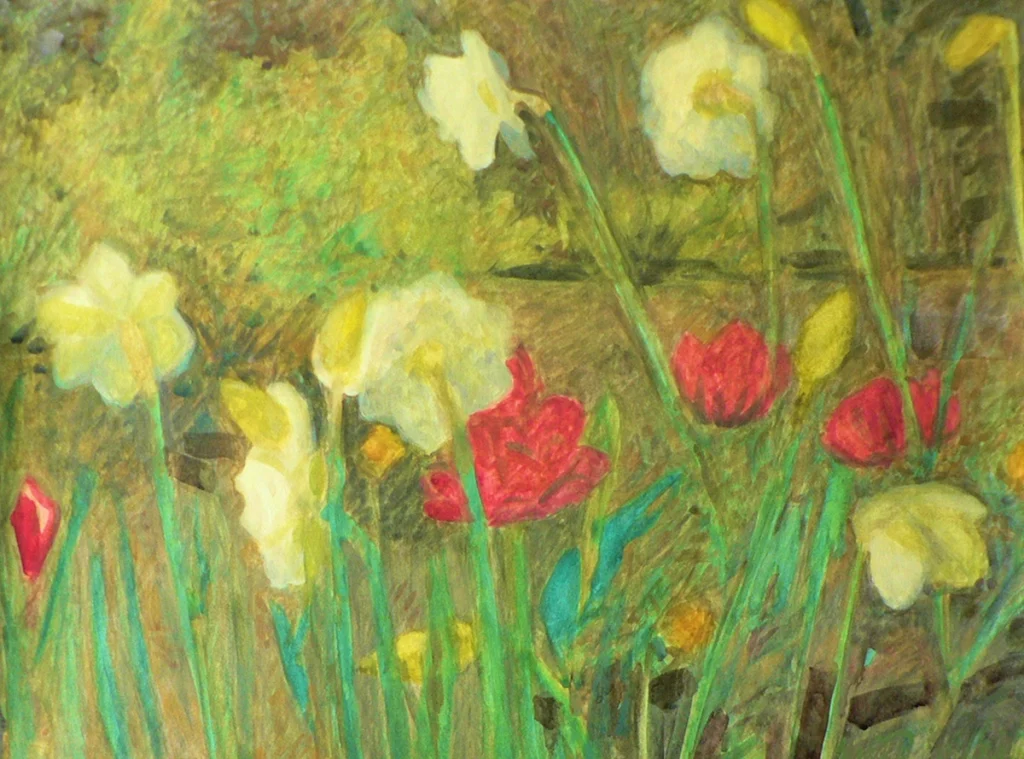
I became interested in gouache as a painting technique in 2009. I wanted to paint not only well, but also a lot. There was a problem of space to store large canvases with oil paintings. Then I thought I’d try gouache. And so it stayed. Since that year, I have liked this technique, so I still use it in my artistic work.
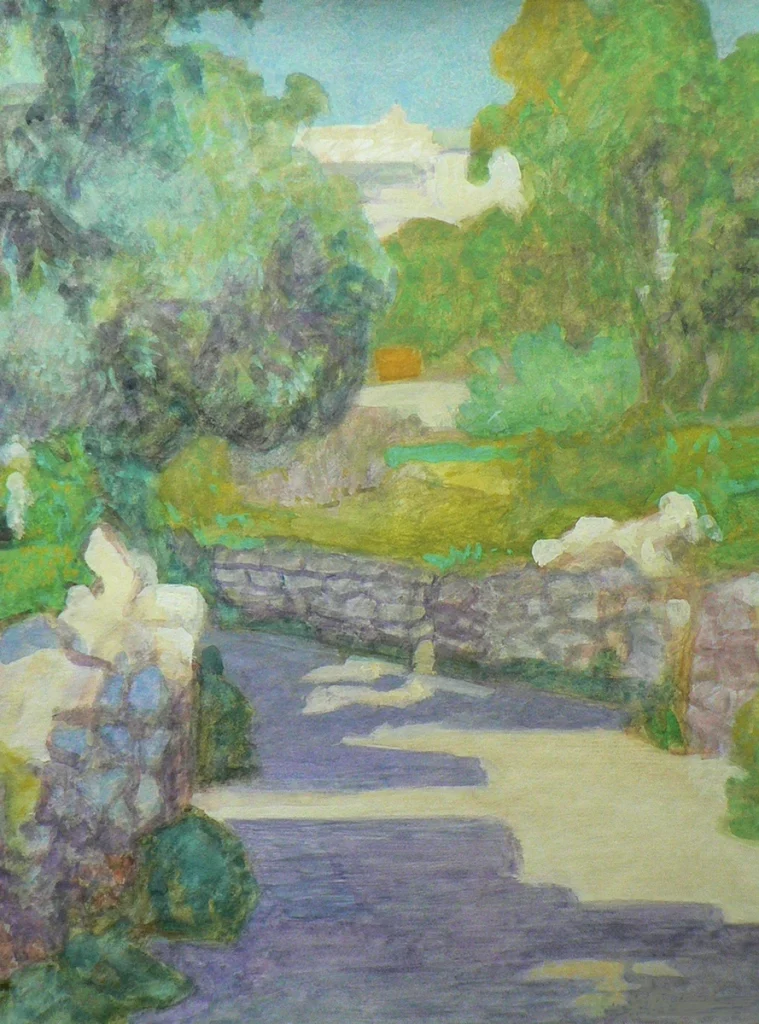
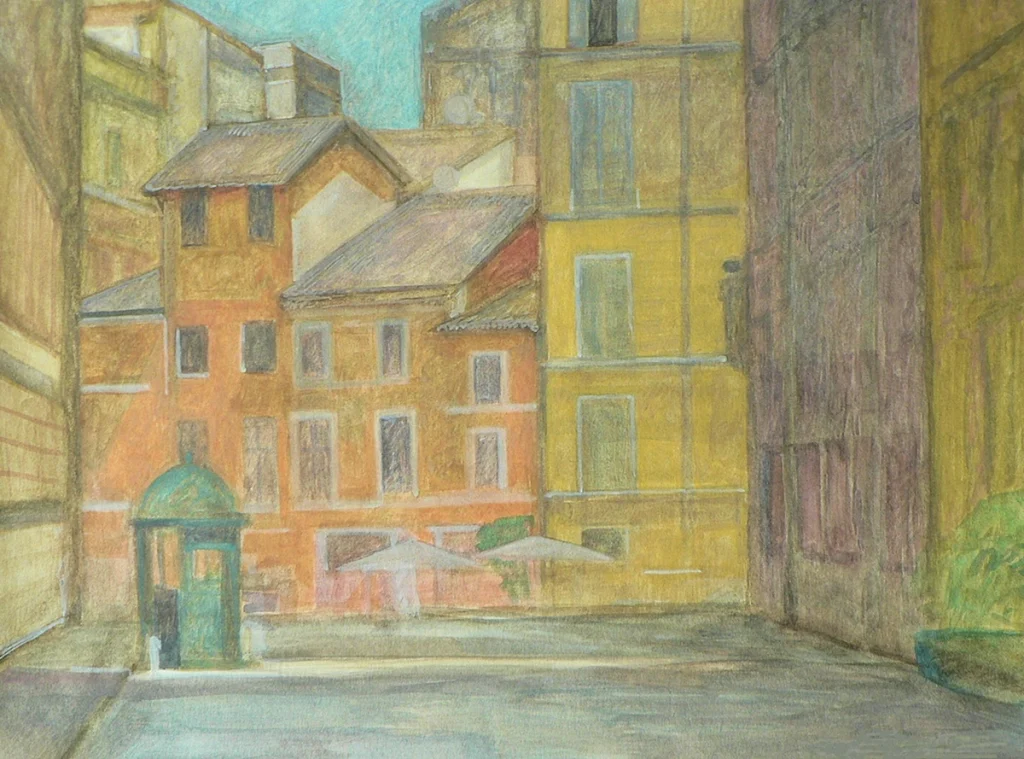
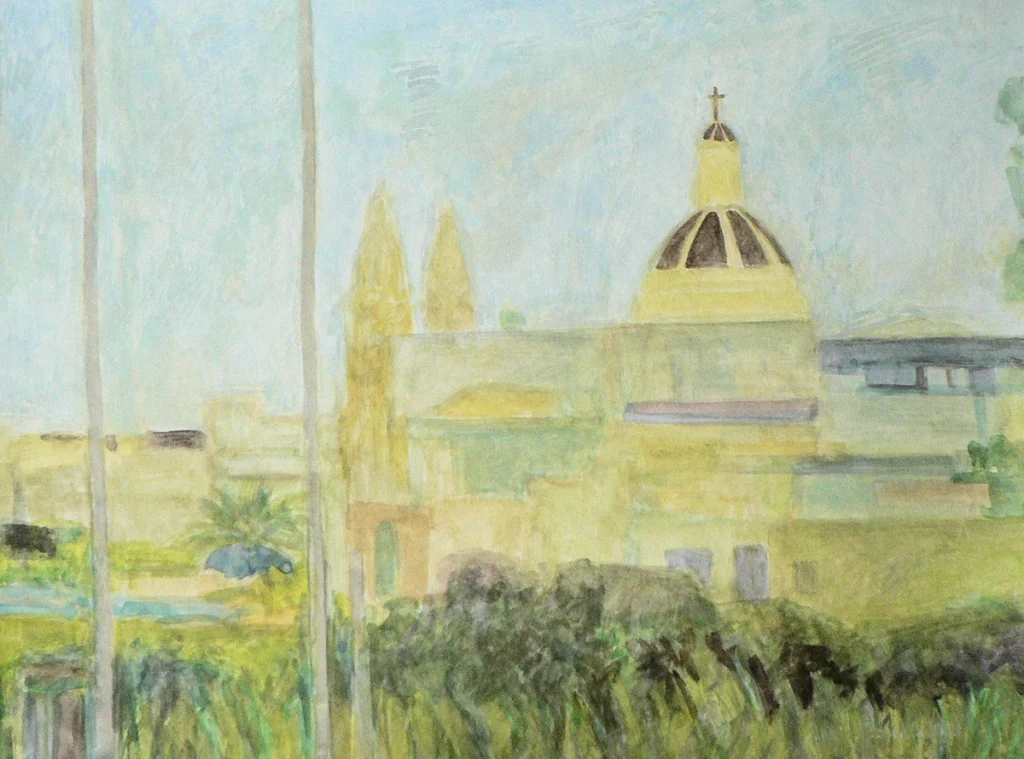
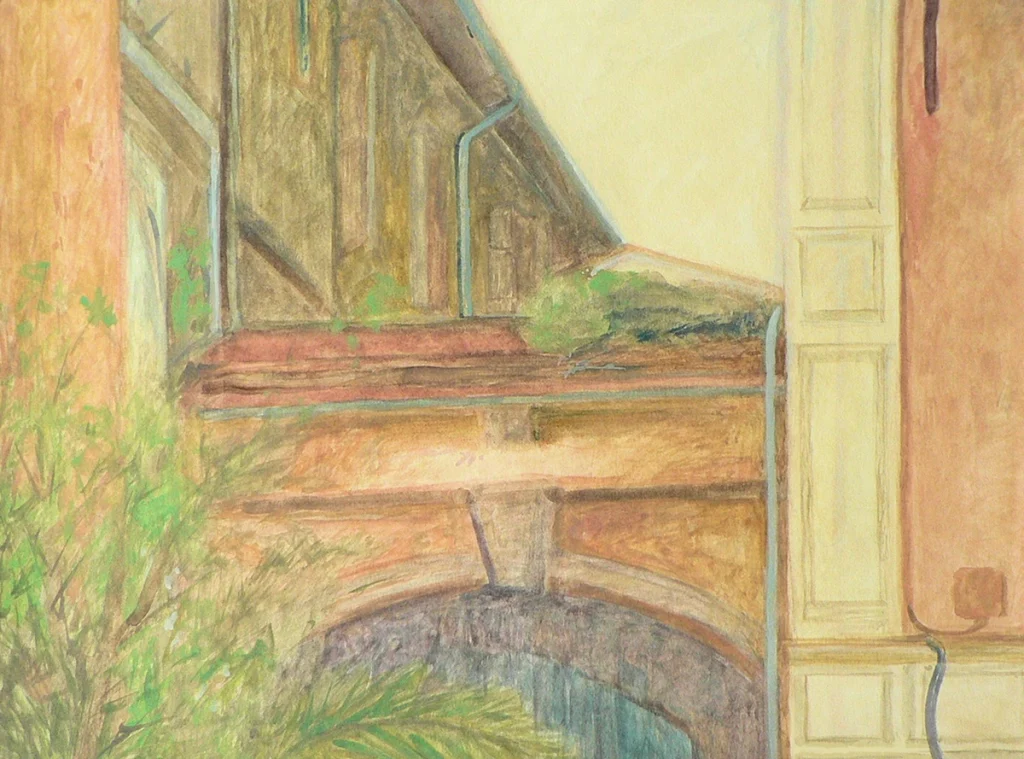
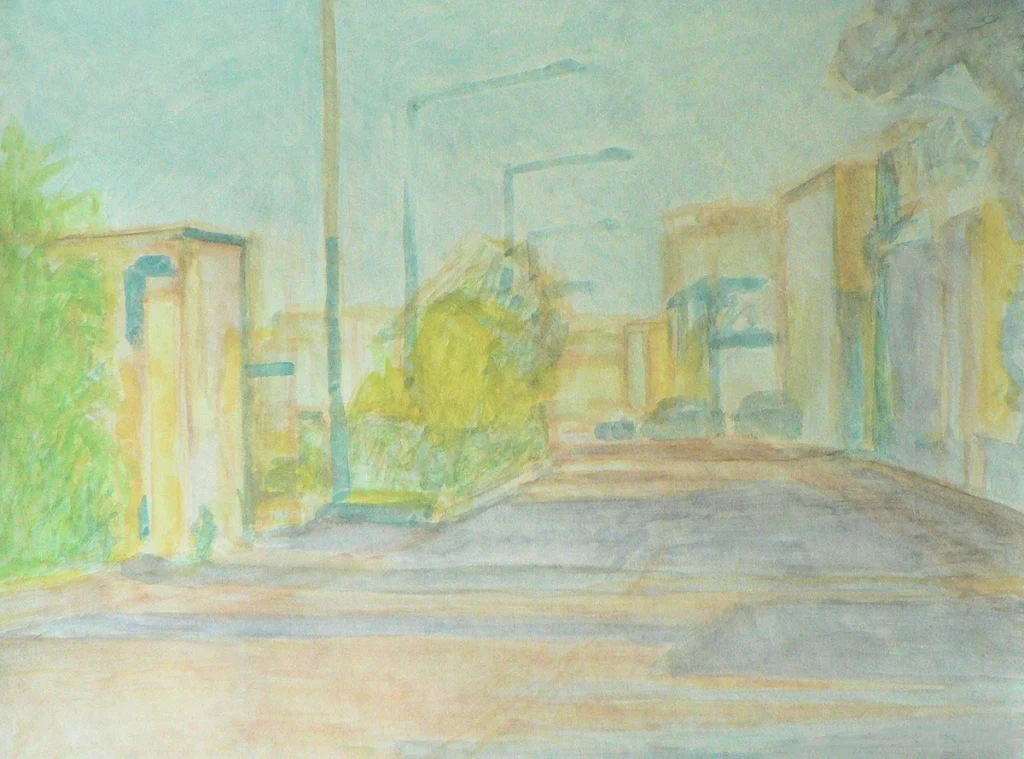
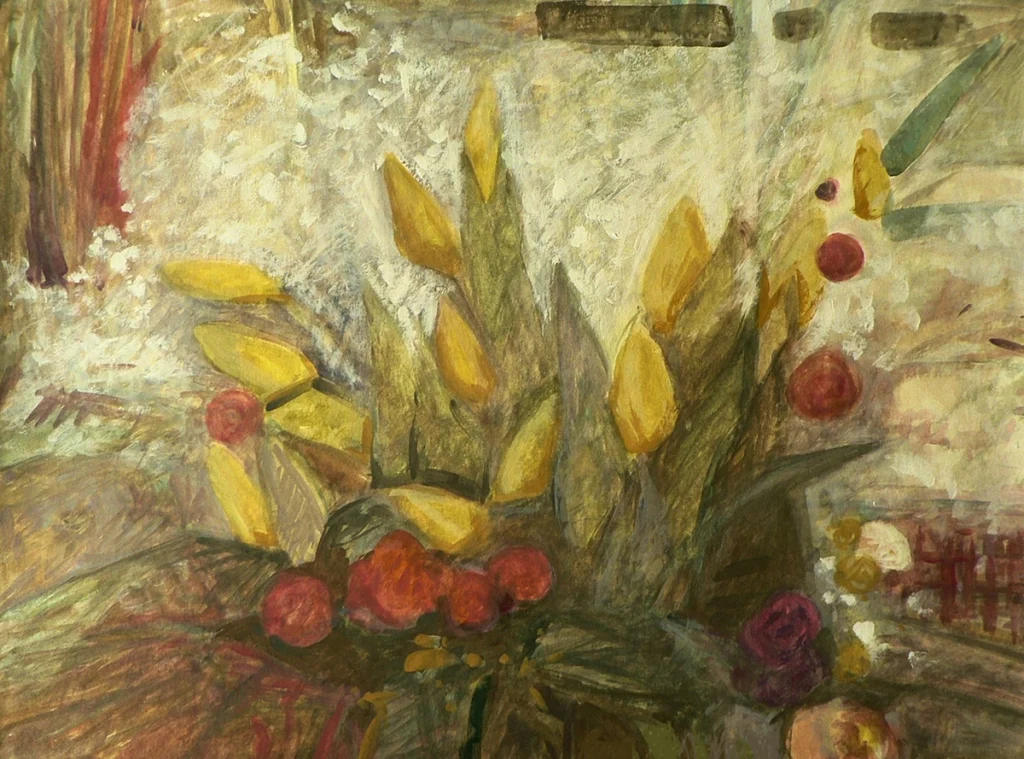
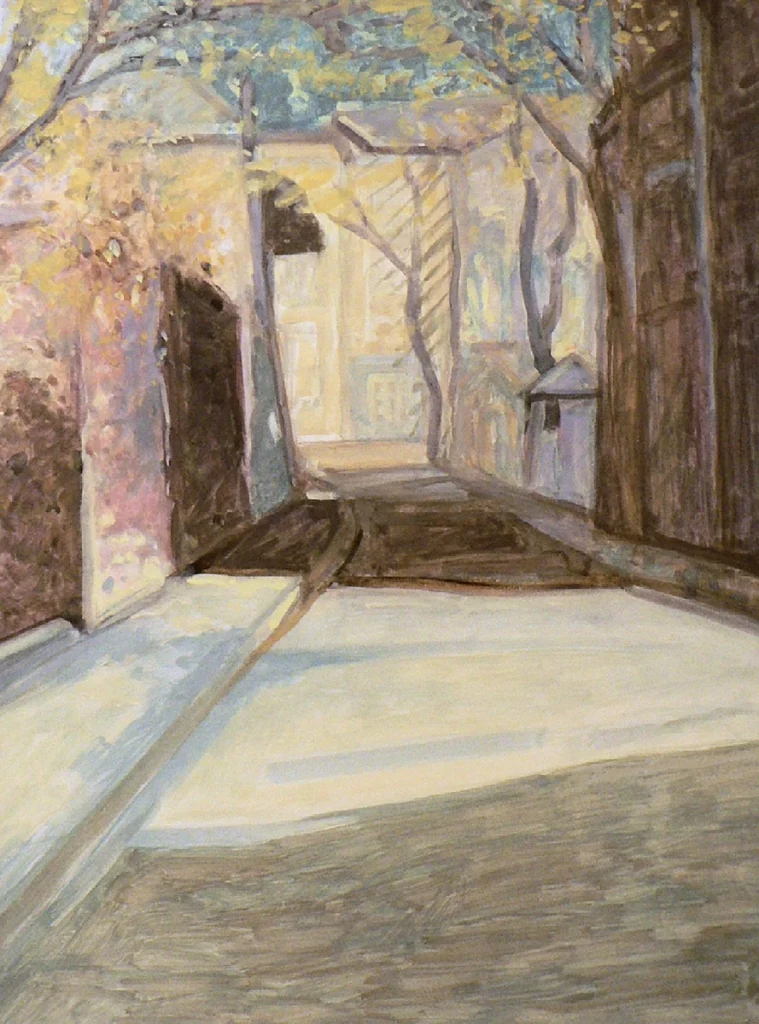
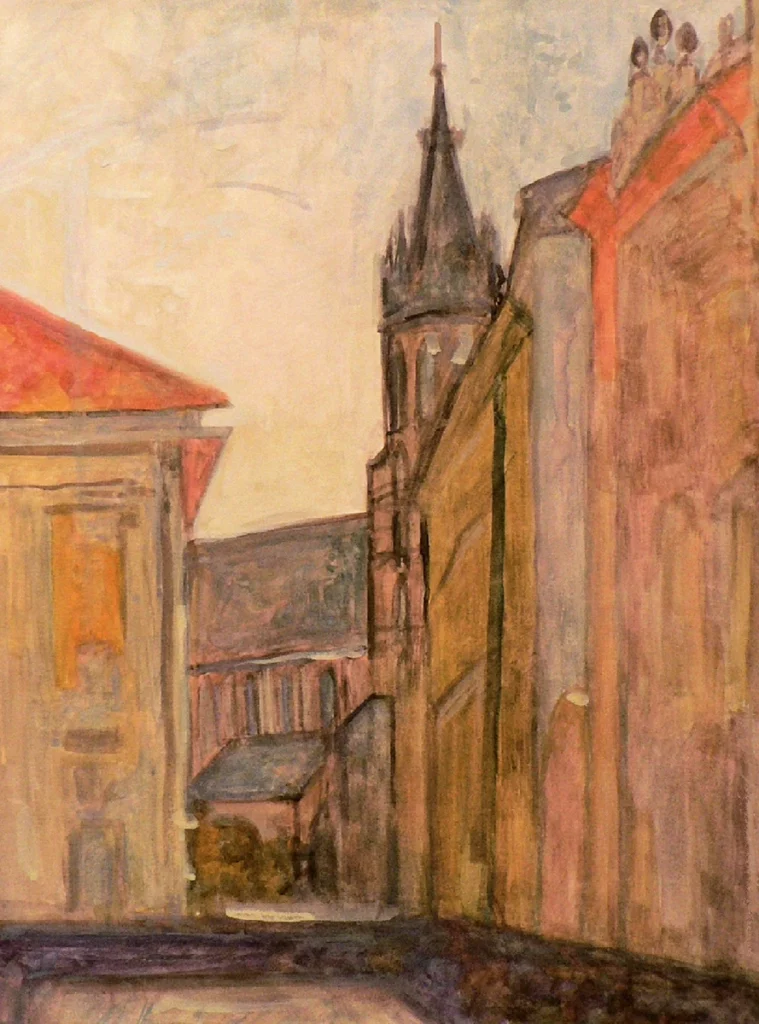
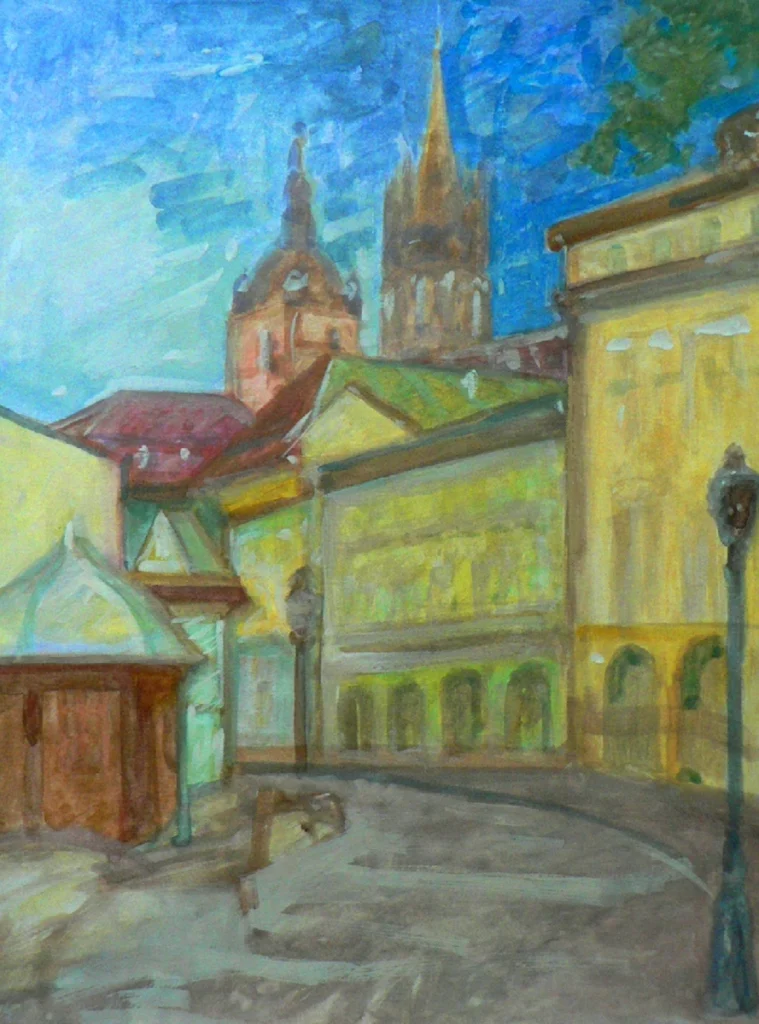
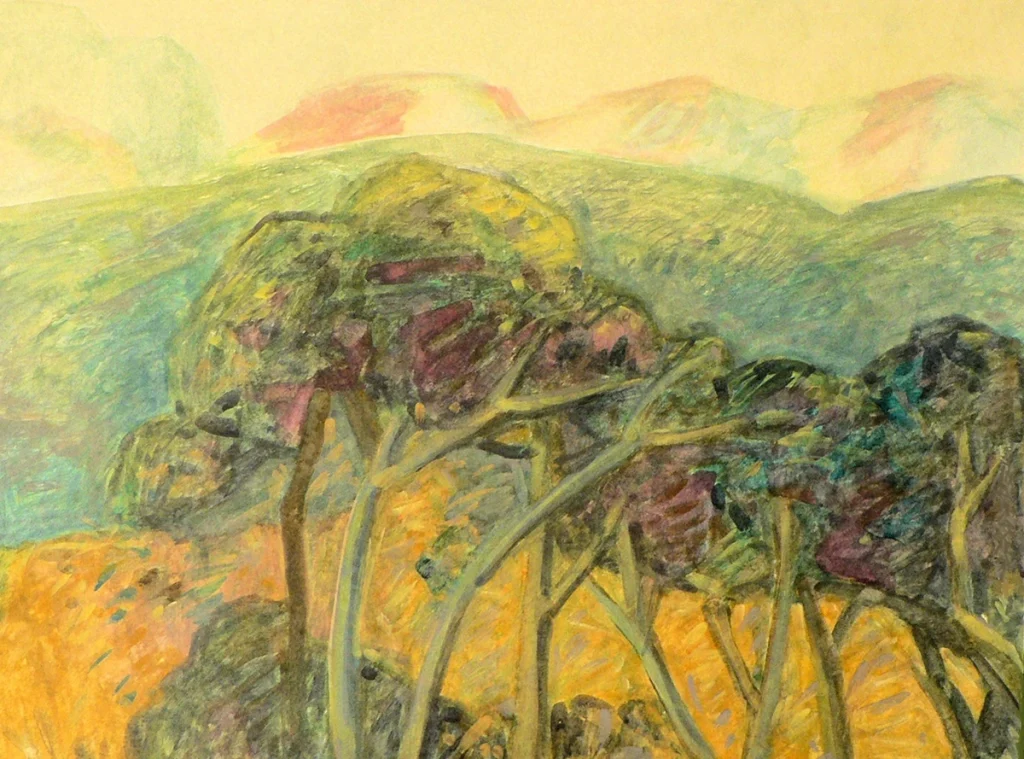
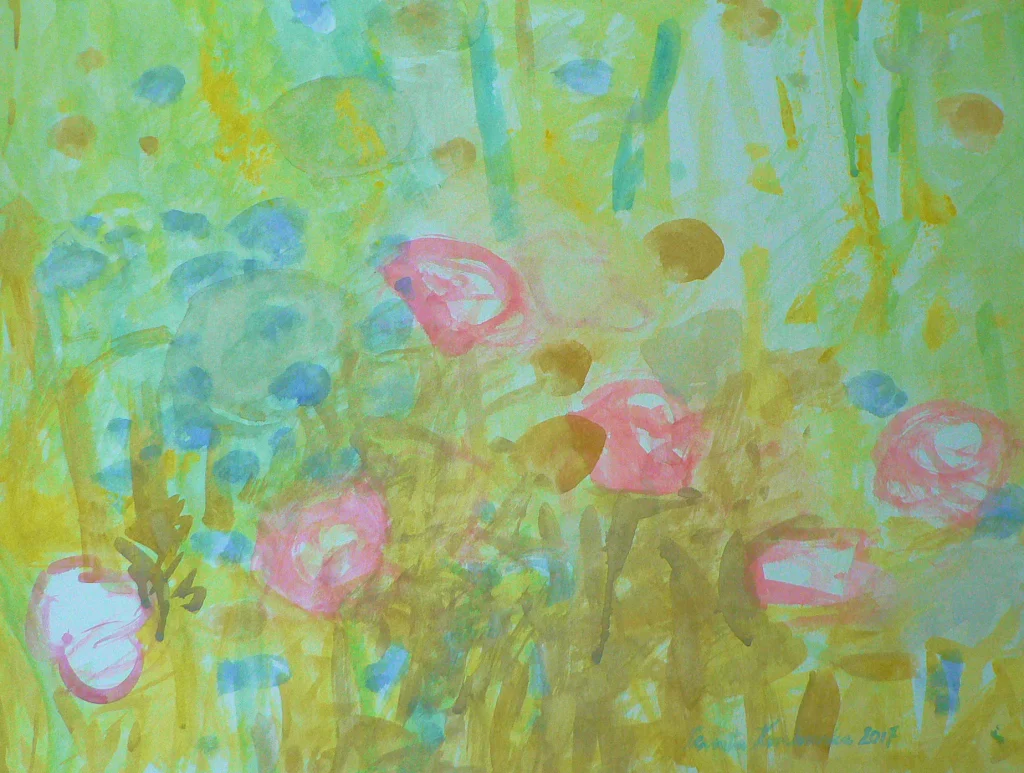
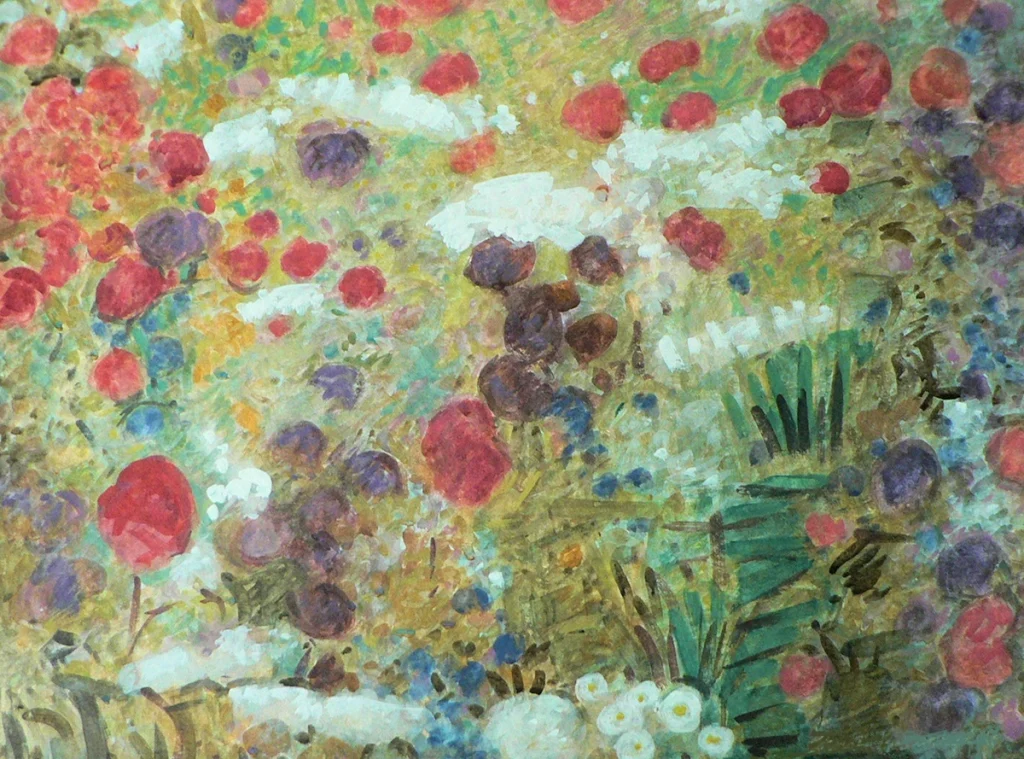
I invite you to have a look at some of my gouaches.
Landscapes, vedute and flowers
I use the term “vedute” — from the Italian tradition of city views — in its modern sense: not as precise depictions, but as urban landscapes where references to reality remain clearly present.
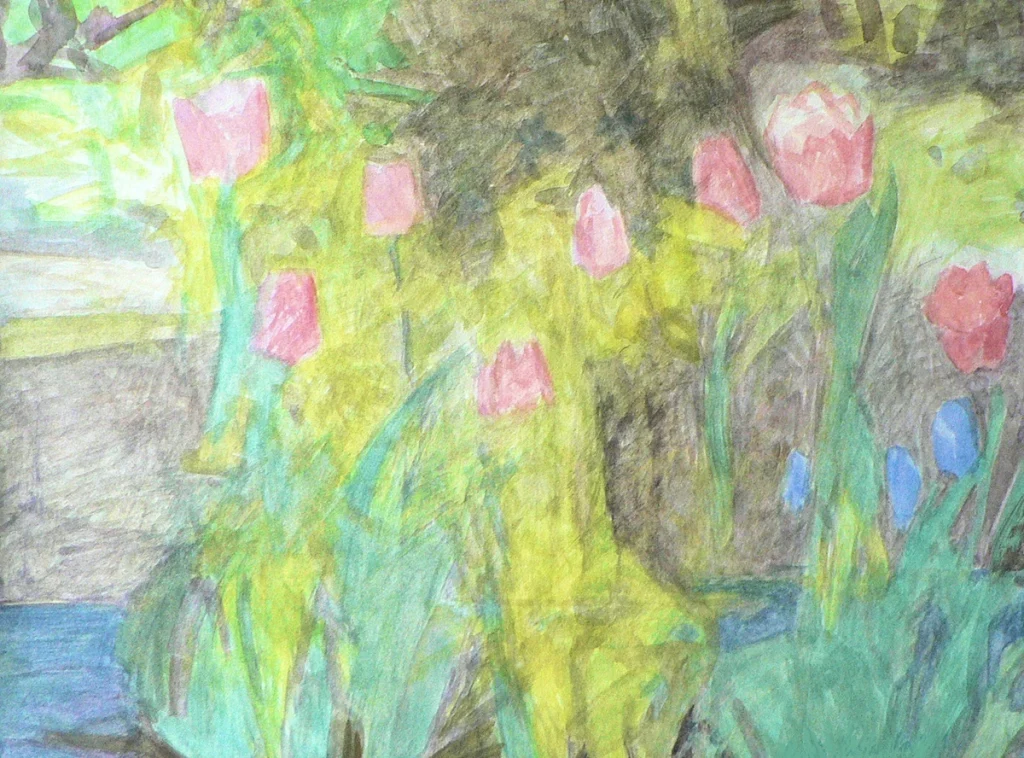
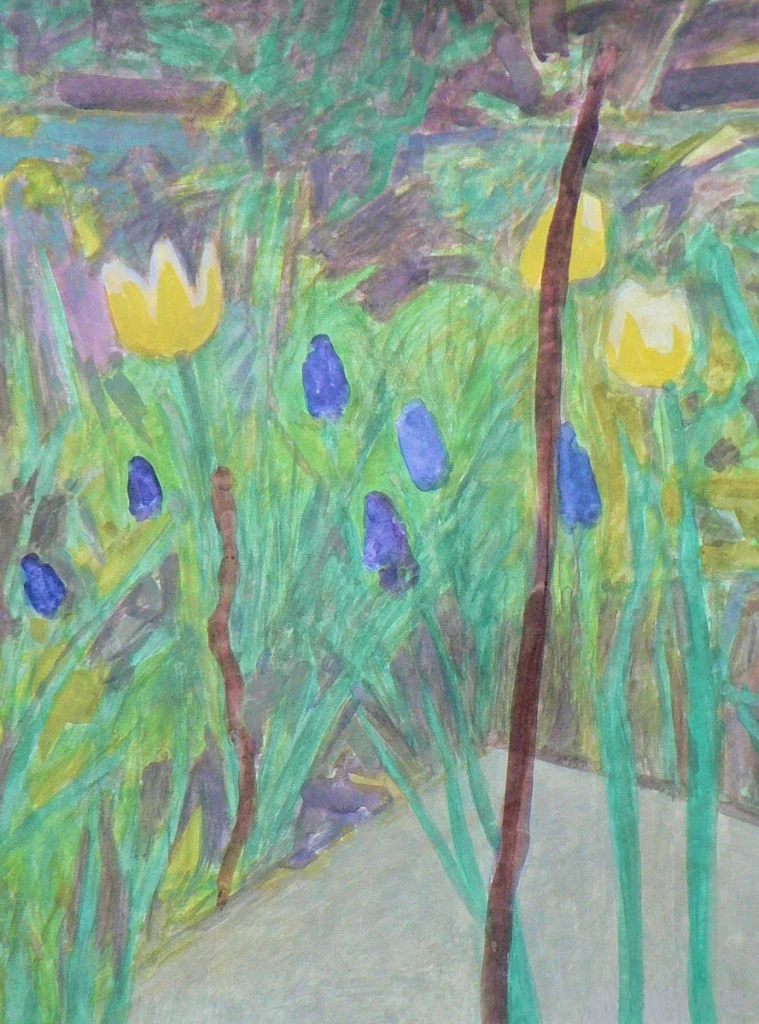
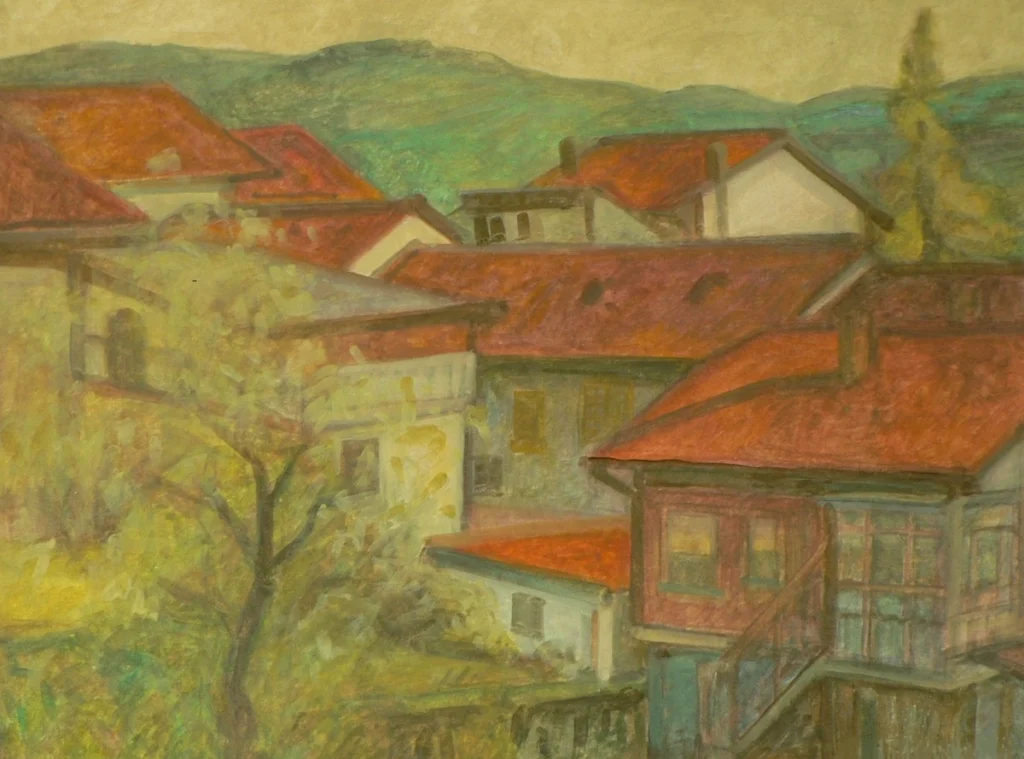
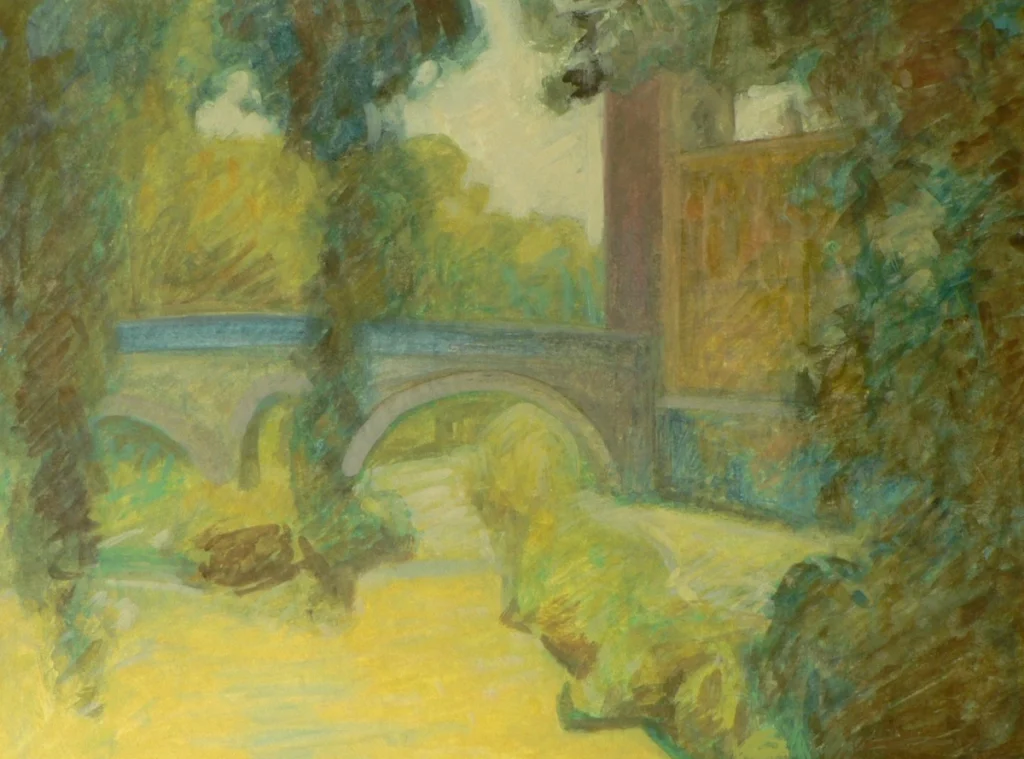
You can also see: One Page With Thumbnails of My Gouaches
or
My Gouaches Slightly Digitally Processed.
Also explore my curated online gouache gallery, featuring short texts in Polish
– a glimpse into my artistic inspirations.
August 2025
With the help of Microsoft Copilot, I searched for a Latin equivalent of the term veduta. It turned out that no direct counterpart exists, but several related expressions emerged: conspectus, aspectus urbis, imago loci, descriptio urbana, and visio urbana. I asked what imago loci means precisely. The answer I received was:
„Literally: ‘image of a place’ (imago – image, representation; locus – place). But metaphorically: it refers to the mental, emotional, or cultural image of a place — one that exists in imagination, memory, or narrative. It can be:Contexts:
- 🧠 subjective — like the remembered light in a childhood alleyway,
- 🎨 artistic — like the interpretation of a city in your gouaches,
- 📚 literary — like Paris in Hemingway’s novels,
- 🏛️ architectural — as an idea a designer tries to capture in spatial form.
In the theory of place — not as a physical location, but as a space that is both experienced and imagined.
In art and photography — as an attempt to capture atmosphere, not just documentation.
In cultural anthropology — as part of spatial identity, e.g. how residents perceive their city.
In poetry and essays — as a carrier of emotion, memory, and symbolism.
Example of usage:
Her paintings evoke the imago loci — not the literal streets, but the emotional resonance of the city’s soul.”
I’ve decided that in my recent work, I will try to move away from the traditional understanding of veduta and toward imago loci. Inspired by the theory of place, I now begin to see my paintings as visual interpretations of space — spaces that are both experienced and imagined.
They are still not maps or documentation, but urban landscapes shaped by light and memory. This shift may help me reflect a deeper engagement with the meaning of urban space — not as a fixed location, but as a living presence revealed through perception and reflection.